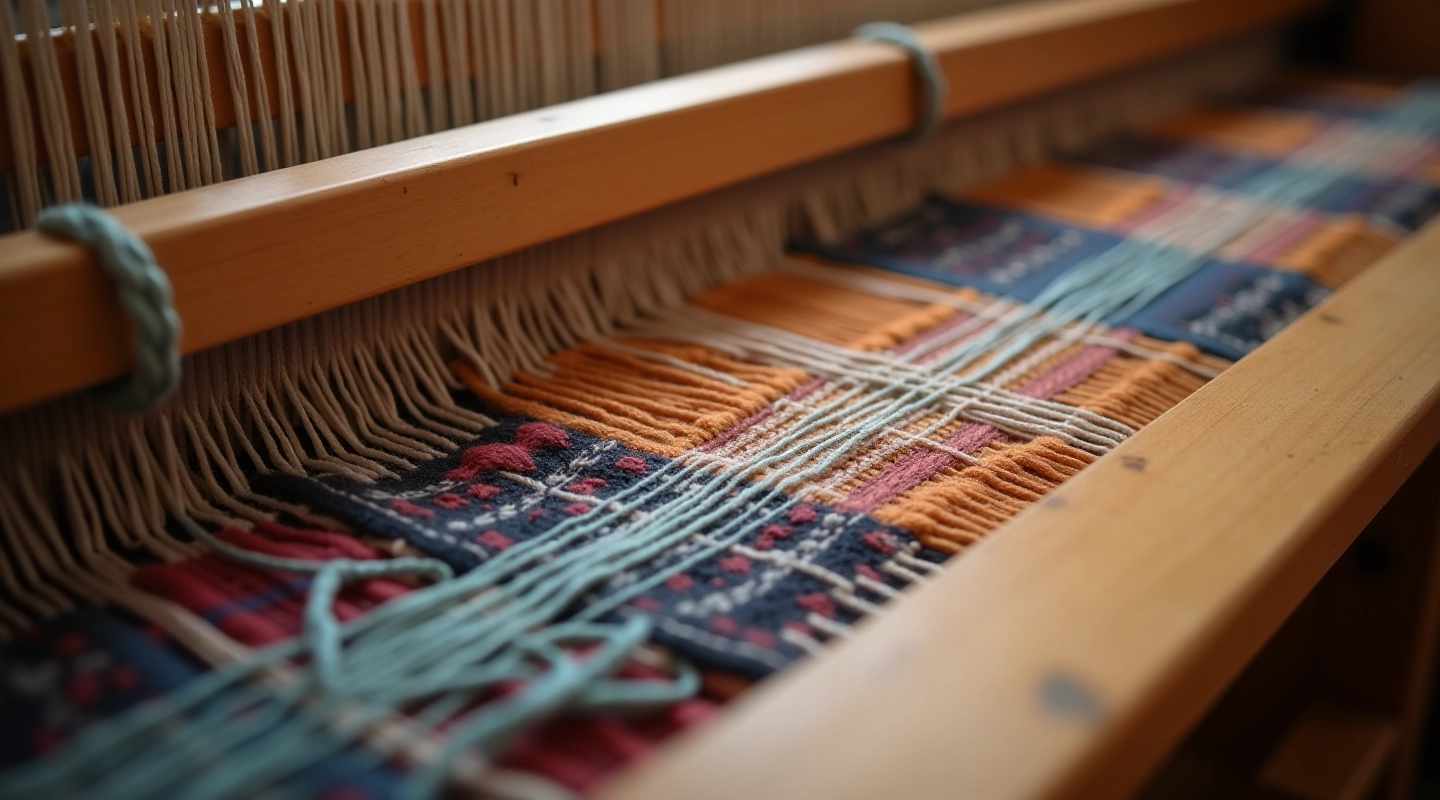
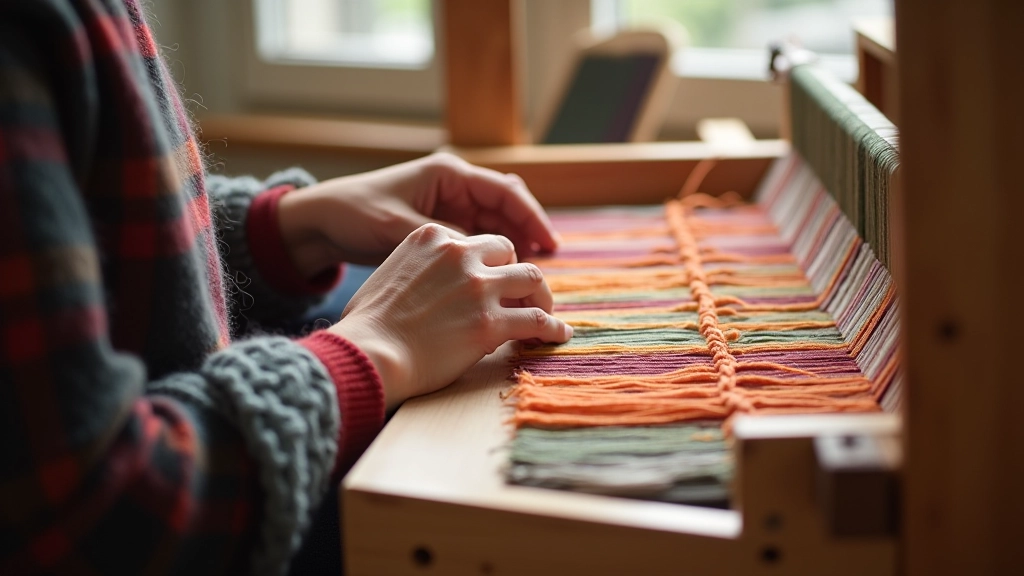
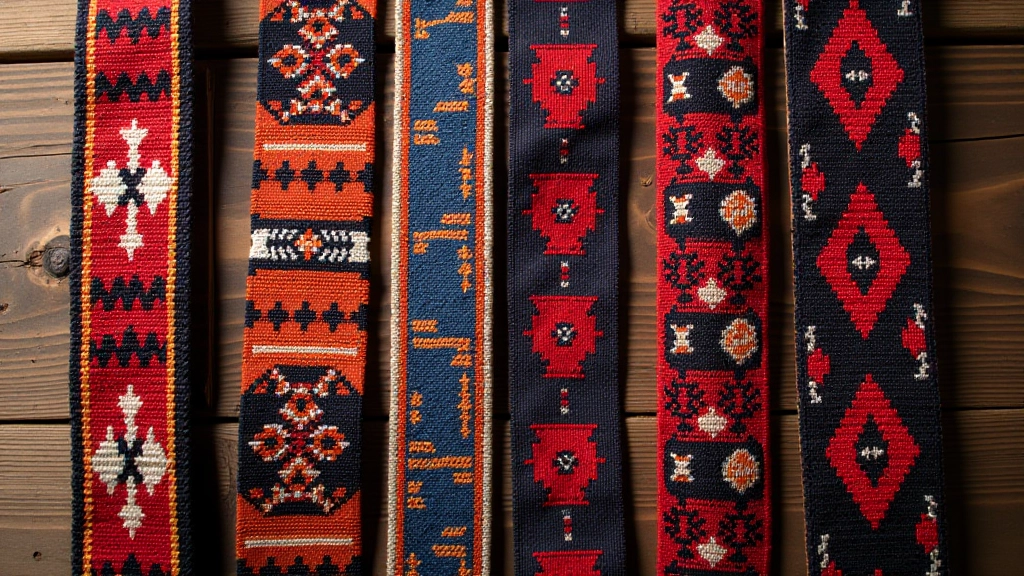
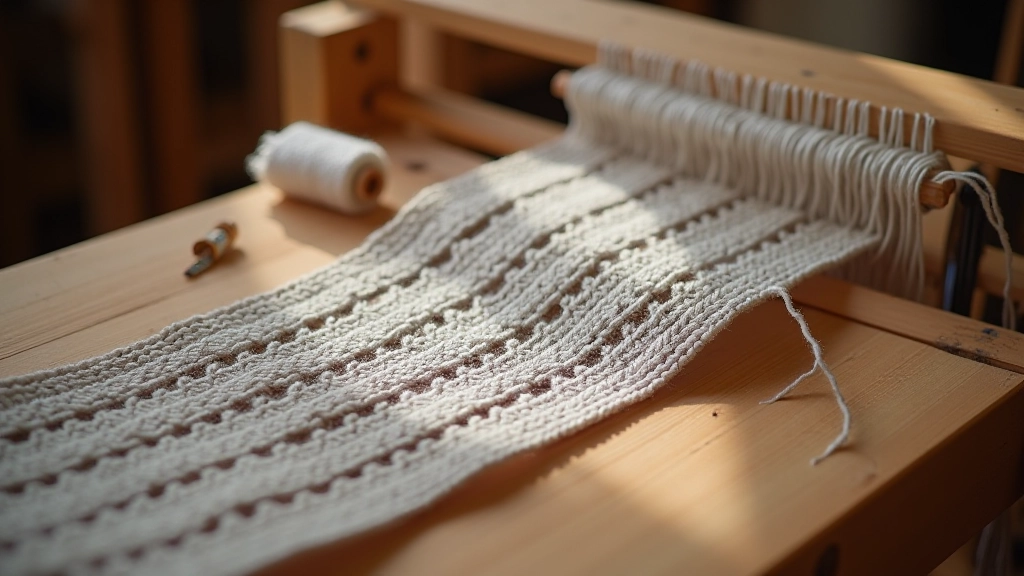
Belt weaving represents one of Latvia's most distinctive textile traditions, with roots reaching back centuries. The craft flourished particularly in Kuldīga and surrounding regions, where weavers developed intricate geometric patterns passed down through generations. Traditional Latvian belts weren't merely decorative — they held cultural significance, with specific patterns identifying regions, occasions, and family heritage. The technique requires patience and attention to detail, but the fundamental principles remain surprisingly accessible to newcomers. What makes this craft enduring is the direct connection between hand and material. There's no machinery between you and the work. You control thread tension, pattern placement, and rhythm. Many people find the repetitive motions meditative, and others simply enjoy creating something tangible with their hands.
Modern beginners often worry they'll need rare materials or specialized equipment. The reality is simpler. A basic belt loom can be quite affordable, and quality wool thread is widely available. What matters most is starting with clear fundamentals. Understanding proper tension prevents most frustration. Learning to read patterns removes the mystery. And knowing how common mistakes happen helps you avoid them. Whether you're interested in preserving traditional techniques, creating handmade gifts, or simply exploring a new skill, belt weaving welcomes all approaches. The patterns may look complex from a distance, but they're built from simple, repeating movements. Start with a basic design. Master the motions. Then gradually explore more ambitious patterns. That's how countless weavers have approached this craft, and it's a path that works.