
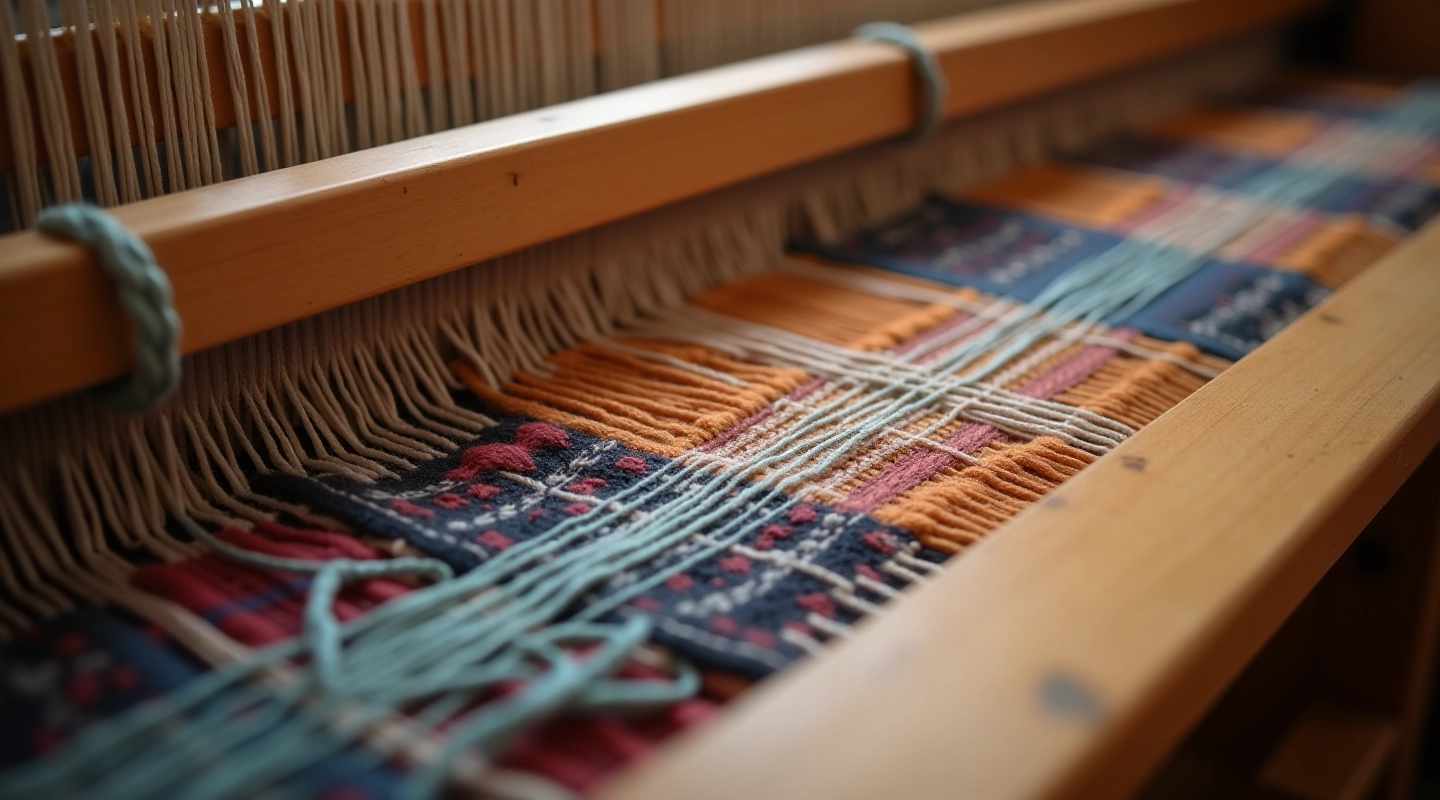
Understanding Your Belt Loom Setup
A practical walkthrough of loom parts, thread tension, and getting your first warp ready to weave.
Loose threads, uneven tension, and dropped stitches. Here's what actually causes them and how to fix or prevent each one.

Editorial Team
Written by the Kuldīga Weaving Editorial Team, focused on clear, practical guidance for beginner loom weavers.
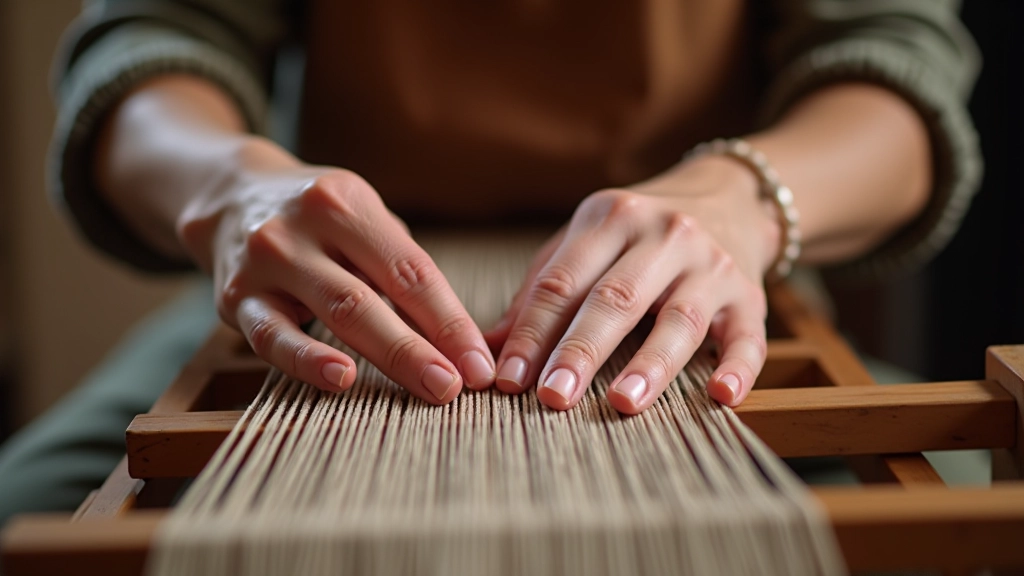
You're halfway through your belt and suddenly one edge feels looser than the other. It's not because you're doing anything wrong — it's just how the loom responds to hand position. Most beginners grip too tightly on one side without realizing it. Your fingers get tired at different rates. The warp naturally wants to settle into grooves.
The fix isn't complicated. Check your grip every few rows. You'll notice your dominant hand unconsciously applies more pressure. Keep your tension steady by thinking of it as consistent, not tight. A loose thread isn't a failure — it's feedback. Tighten it gently as you go, don't wait until the whole row is done.
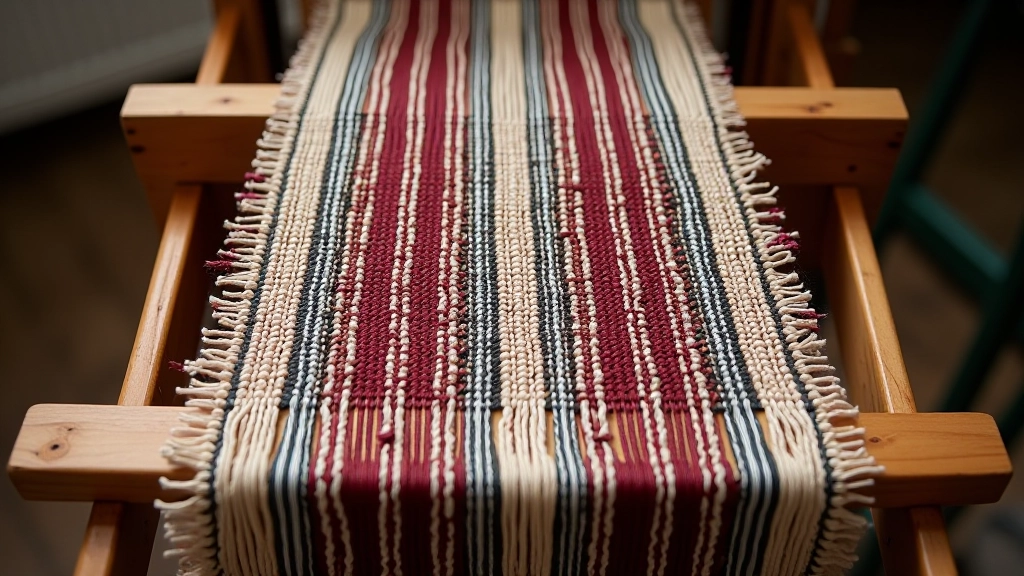
A dropped stitch looks catastrophic when you first spot it. Your thread escaped the warp and now there's a gap in your pattern. But honestly? It's one of the easiest mistakes to fix. It happens because you either pulled too hard during a stroke or your thread caught on something. Sometimes it's just a momentary slip in focus.
Don't panic. You can pick it back up immediately. Use your shuttle or even a thin stick to guide the thread back into position. If you catch it right away, it takes 30 seconds. The longer you weave with a dropped stitch, the harder it becomes to fix. So develop a habit — scan your edges every 5-10 rows. Look for anything that doesn't match the pattern. Your eyes will get faster at spotting these gaps.
Keep your movements smooth and consistent. Rushed strokes cause 80% of beginner mistakes. You're not racing — you're building a pattern. Speed comes naturally after a few weeks.
You thought your setup was perfect. Then five rows in, you notice a thread is in the wrong position. It's woven into the pattern when it shouldn't be. This usually happens during the initial setup phase when you're threading the warp. Your eye can miss a single thread among dozens.
The best approach? Double-check your threading before you even pick up the shuttle. Count your threads carefully. Some weavers use a simple method — touch each thread with your finger as you count. It's slow but it catches errors before they become problems. If you discover a threading mistake mid-weave, you have two choices: unravel back to the beginning (frustrating but clean), or work around it if it's subtle enough not to affect your pattern.
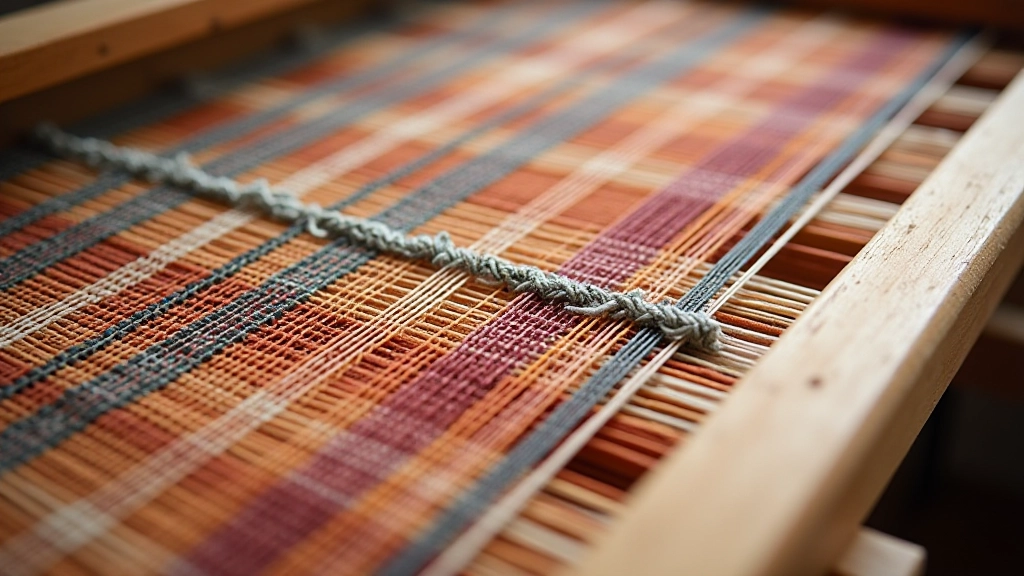
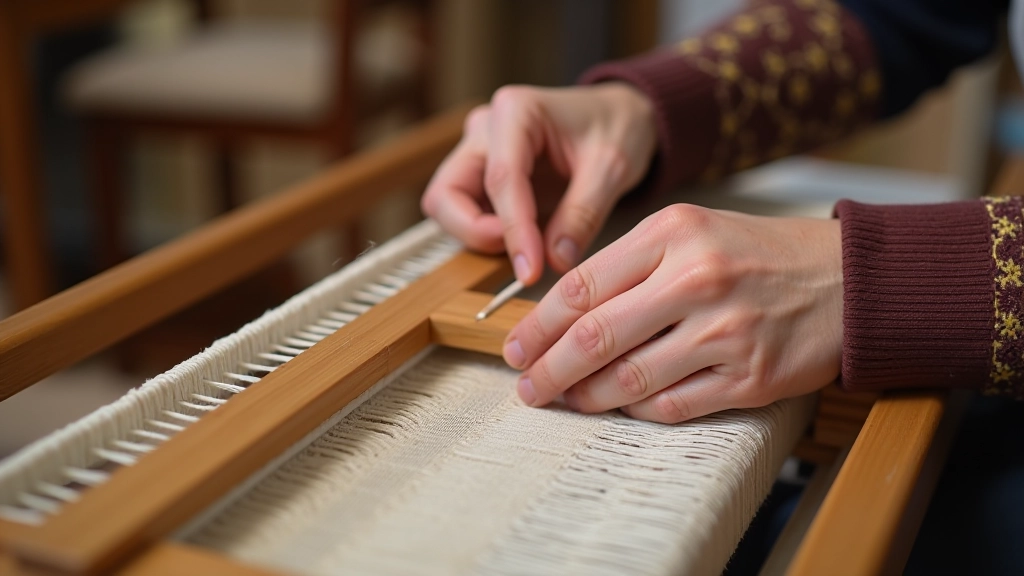
Your shuttle catches. A thread twists around itself. Suddenly you've got a knot that won't come undone. It's frustrating because you were making good progress. Most tangles happen because the weft thread gets twisted during the stroke or because your shuttle moved at an odd angle.
Prevention is easier than untangling. Keep your shuttle movement smooth and horizontal. Don't let it angle upward or downward. Make sure your weft thread feeds from the shuttle evenly. If a knot does form, stop immediately. Don't keep weaving into it — you'll make it worse. Gently work the knot loose. Sometimes you need to undo one row to get everything back in place. It's not the end of the world.
Every weaver who's ever made a belt has experienced loose tension, dropped stitches, and tangled threads. These aren't signs you're doing it wrong — they're part of learning the craft. Your hands are learning to communicate with the loom. That takes time. The first few belts will be your teachers.
What matters isn't avoiding mistakes. It's catching them early and understanding why they happened. Once you've fixed the same problem three or four times, your body remembers. You'll develop the muscle memory to prevent it. That's when things get easier. You'll weave faster, your patterns will be cleaner, and you'll start noticing subtle improvements week to week.
Keep a notebook nearby while you weave. Jot down what went wrong and what you tried. This simple habit transforms frustration into progress. You're not just fixing mistakes — you're building your own weaving knowledge base.
Explore more guides to build your weaving foundation
A practical walkthrough of loom parts, thread tension, and getting your first warp ready to weave.
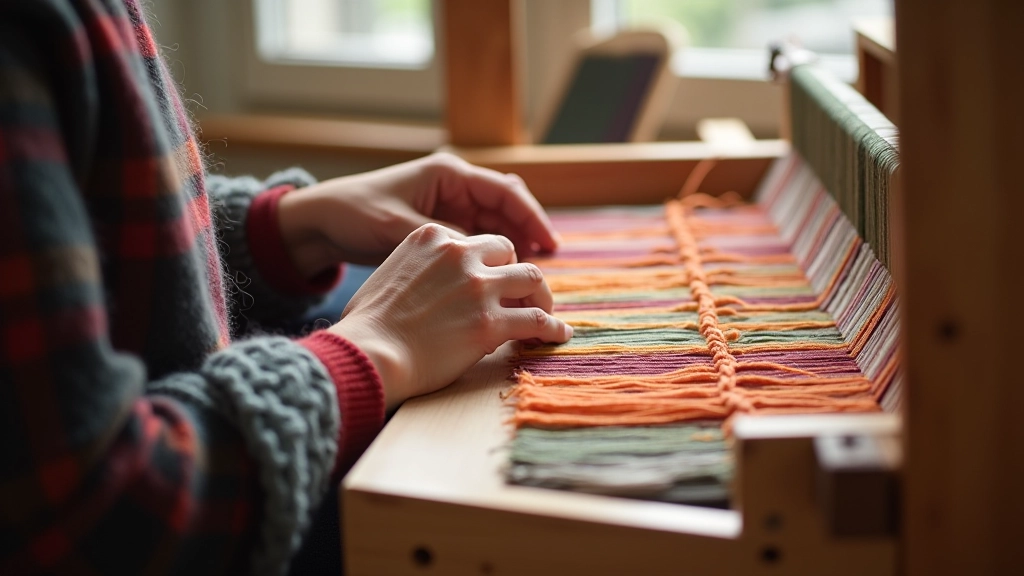
The three fundamental hand movements you'll repeat. Most beginners get comfortable with these in about two weeks.

How to decode the symbols and understand classic Kuldīga patterns. Includes five traditional designs to start with.